Welcome to Tangshan Moneide Trading Co., Ltd.






Recommend Products

application of indicators in chemistry
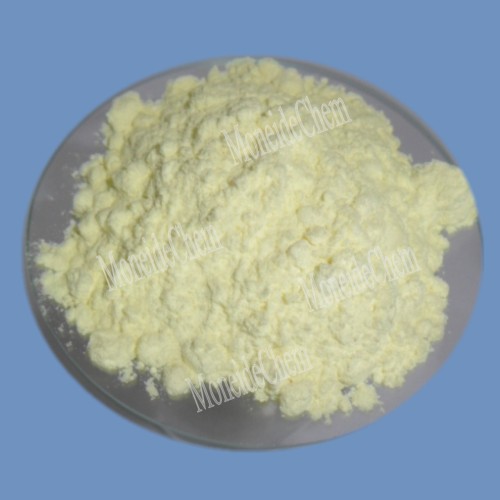
The Crucial Role of Chemical Indicators in Modern Industries Chemical indicators are indispensable tools across a vast spectrum of scientific and industrial applications, serving as visual cues for critical chemical transitions. From the precise titrations performed in analytical laboratories to the quality control checks in pharmaceutical manufacturing, these compounds provide rapid, reliable, and cost-effective insights into chemical reactions, especially pH changes. Understanding the nuances of indicators chemistry is paramount for professionals seeking to optimize processes, ensure product quality, and maintain operational efficiency. This segment delves into the fundamental aspects of chemical indicators, highlighting their widespread utility and the stringent requirements for their production and application in today's demanding technical landscapes. High-quality indicators, such as Bromophenol Blue, exemplify the precision and reliability essential for achieving consistent and accurate results in various analytical settings. The versatility of chemical indicators extends beyond simple acid-base titrations. They play a pivotal role in environmental monitoring, ensuring water quality; in clinical diagnostics, aiding in biochemical analyses; and in educational settings, like in methylene blue a level biology experiments, demonstrating cellular processes or enzyme kinetics. The demand for highly pure and stable indicators is driven by the increasing complexity and regulatory rigor of these applications. As industries strive for greater precision and automation, the characteristics of an indicator, including its pH range, color change, and stability, become critical selection criteria. Manufacturers must adhere to rigorous quality standards to deliver products that meet these elevated expectations, ensuring reliability and performance in every batch. Precision Manufacturing and Quality Assurance of Chemical Indicators The Meticulous Process Behind High-Quality Indicators The manufacturing of high-purity chemical indicators, such as Bromophenol Blue, involves a complex and meticulously controlled process to ensure exceptional quality and consistency. The journey begins with the selection of premium raw materials, often sourced globally to meet specific purity profiles. For compounds like Bromophenol Blue, which is a sulfonephthalein dye, the synthesis typically involves organic reactions such as condensation and bromination. This multi-step chemical synthesis is carried out under controlled environmental conditions, often in state-of-the-art facilities equipped with advanced reactors and purification systems. The goal is to achieve specific molecular structures with minimal impurities, which is crucial for the indicator's performance and shelf life. Advanced techniques like distillation, recrystallization, and chromatography are routinely employed to isolate and purify the target compound, removing unreacted precursors, by-products, and other contaminants. This rigorous purification ensures that the final product, the indicators chemistry , exhibits the precise pH range and color transition required for accurate analytical work. Quality control checkpoints are integrated at every stage of the manufacturing process to monitor intermediate products and ensure adherence to strict quality parameters. Adherence to Global Standards and Testing Protocols Post-synthesis, each batch of chemical indicators undergoes a comprehensive suite of analytical tests to verify its purity, concentration, and performance characteristics. These tests often include spectrophotometry to confirm absorption maxima and molar absorptivity, chromatography (e.g., HPLC) to determine purity levels, and precise pH measurements to validate the exact color transition range. Compliance with international standards such as ISO 9001 for quality management systems is non-negotiable, ensuring traceability and consistency in production. Furthermore, products designed for specific industries, like pharmaceuticals or food, may also meet USP (United States Pharmacopeia), BP (British Pharmacopoeia), or EP (European Pharmacopoeia) standards, which dictate specific purity levels and testing methodologies. The use of certified reference materials (CRMs) during calibration and validation processes guarantees the accuracy of test results. For example, the typical lifespan of a properly stored chemical indicator ranges from 2 to 5 years, depending on its chemical stability and storage conditions. This meticulous approach to manufacturing and testing ensures that indicators like Bromophenol Blue deliver consistent, reliable, and high-performance results across critical applications in industries such as petrochemical, metallurgy, and water treatment, where precise pH control and corrosion prevention are vital. The rigorous quality control measures embedded in the production process lead to products that offer superior energy efficiency and corrosion resistance in typical application scenarios. Key Technical Parameters of Chemical Indicators Selecting the appropriate chemical indicator for a given application requires a thorough understanding of its technical parameters. These parameters dictate the indicator's suitability for specific pH ranges, its color change characteristics, and its overall analytical performance. For Bromophenol Blue, key parameters include its precise pH transition range and the distinct color change observed. Below is a comparative table detailing common indicators chemistry , providing crucial data points for informed decision-making in laboratory and industrial settings. Indicator Name Chemical Formula CAS Number pH Transition Range Color at Lower pH Color at Higher pH Common Applications Bromophenol Blue C 19 H 10 Br 4 O 5 S 115-39-9 3.0 – 4.6 Yellow Blue-violet Acid-base titrations, electrophoresis dye, medical diagnostics Phenolphthalein C 20 H 14 O 4 77-09-8 8.2 – 10.0 Colorless Pink to Magenta Acid-base titrations (strong base/weak acid) Methyl Orange C 14 H 14 N 3 NaO 3 S 547-58-0 3.1 – 4.4 Red Orange to Yellow Acid-base titrations (strong acid/weak base) Methylene Blue C 16 H 18 ClN 3 S 61-73-4 N/A (Redox Indicator) Blue Colorless (reduced form) Redox titrations, biological staining (e.g., conn's biological stains ), environmental analysis This table underscores the diversity within indicators chemistry , with each compound optimized for specific analytical challenges. Bromophenol Blue, with its transition in the acidic range, is particularly valuable for titrations involving strong acids and weak bases, or for applications requiring precise pH control in mildly acidic solutions. Its distinct visual change from yellow to blue-violet provides a clear endpoint, minimizing error in analytical procedures. Conversely, Phenolphthalein serves higher pH ranges, while Methyl Orange is suited for lower acidic ranges. Methylene Blue stands apart as a redox indicator, crucial for applications like dissolved oxygen testing or biological staining, demonstrating the broad utility of these chemical tools. Diverse Applications and Emerging Trends in Indicators Chemistry Ubiquitous Presence Across Industries The application scenarios for indicators chemistry are incredibly vast and continue to expand with technological advancements. In the petrochemical industry, indicators are vital for monitoring the pH of process streams, ensuring optimal reaction conditions, and preventing equipment corrosion, which can lead to significant cost savings in maintenance and extend the lifespan of critical infrastructure. Similarly, in metallurgy, indicators are employed in pickling baths and electroplating processes to maintain desired acidity levels for efficient metal treatment and improved product quality. The environmental sector heavily relies on these indicators for water and wastewater treatment, assessing parameters like alkalinity, acidity, and residual chlorine. For instance, Bromophenol Blue is used in environmental laboratories for routine pH monitoring due to its sharp color change and reliability. In the pharmaceutical industry, indicators are indispensable for quality control of active pharmaceutical ingredients (APIs) and finished drug products, ensuring precise pH control for solubility, stability, and bioavailability. The food and beverage sector uses indicators for quality assurance, testing the acidity of products like juices, dairy, and fermented foods to guarantee freshness and safety. Driving Innovation: Trends and Future Directions Current industry trends in indicators chemistry are largely focused on enhancing precision, developing more sensitive and specific indicators, and integrating them into automated systems. There's a growing demand for indicators with narrower transition ranges and higher stability under varying environmental conditions. Research is also progressing into "smart" indicators that can be immobilized on sensors or polymers, enabling continuous, real-time monitoring in industrial processes or remote environmental sites. For example, advancements in colorimetric sensing platforms are paving the way for more rapid and portable analytical devices. Furthermore, the push for sustainable chemistry is leading to the development of greener synthesis routes for indicators, reducing hazardous waste and energy consumption. Companies are also exploring multi-indicator systems that can provide information across a broader pH range or indicate multiple chemical parameters simultaneously. These innovations aim to provide more comprehensive and immediate feedback, empowering industries to make faster, more informed decisions, thereby improving process control, reducing waste, and enhancing overall operational efficiency. Technical Advantages and Performance Excellence of Premium Indicators Unpacking the Superiority of High-Purity Indicators The technical advantages of employing high-quality indicators chemistry are manifold, directly impacting the accuracy, reliability, and cost-effectiveness of analytical procedures. Premium indicators, like Bromophenol Blue from reputable suppliers, are characterized by their exceptional purity, which translates to sharper, more distinct color transitions and minimal interference from impurities. This high purity ensures that the observed color change corresponds precisely to the stated pH range, reducing the potential for false readings or ambiguous endpoints. Batch-to-batch consistency is another critical advantage; leading manufacturers maintain stringent quality control protocols, including comprehensive analytical testing of every lot, to guarantee that each shipment performs identically. This consistency is vital for regulated industries, where reproducibility and validation are paramount. Furthermore, high-grade indicators typically exhibit superior stability, maintaining their chemical integrity and performance over extended periods, even under varied storage conditions. This leads to longer shelf lives and reduces the frequency of re-calibration or replacement, offering significant operational savings. Enhanced Performance in Critical Applications The enhanced performance of high-purity indicators directly benefits demanding applications. In complex chemical processes, where even slight pH deviations can significantly alter reaction kinetics or product quality, the precision offered by a superior indicator is invaluable. For example, in wastewater treatment facilities, accurate pH monitoring using indicators like Bromophenol Blue ensures efficient nutrient removal and compliance with discharge regulations. In metallurgical processes, indicators facilitate the precise control of acid baths, preventing over-etching or inadequate surface preparation. Their sharp color changes allow for clear endpoint determination, which is crucial for manual titrations and for validating automated systems. Beyond just pH, indicators designed for specific applications, such as redox titrations or complexometric analyses, offer unique advantages in sensitivity and specificity. The reliability and accuracy provided by such high-performance indicators chemistry contribute directly to improved product yields, reduced waste, and enhanced safety in industrial environments. This level of dependable performance underscores the value proposition for B2B buyers seeking robust and effective analytical solutions. Manufacturer Comparison and Tailored Solutions Choosing the Right Partner for Indicators Chemistry When sourcing indicators chemistry , B2B decision-makers face a diverse market with various manufacturers. While many suppliers offer standard chemical indicators, distinguishing factors often lie in their commitment to quality, depth of technical support, and capacity for customization. Leading manufacturers, like Moneide Chem, differentiate themselves by adhering to the highest international production standards (e.g., ISO 9001 certified facilities), providing comprehensive Certificates of Analysis (CoA) for every batch, and offering extensive technical documentation. Their products, such as Bromophenol Blue, are not merely off-the-shelf items but are backed by rigorous testing and a deep understanding of application requirements. When comparing manufacturers, it's crucial to assess their raw material sourcing policies, in-house analytical capabilities, and their track record of consistency and reliability. Some manufacturers might offer lower prices but compromise on purity or batch consistency, which can lead to significant issues and increased costs down the line for critical industrial applications. Prioritizing suppliers with a proven history of excellence and transparent quality assurance protocols is key to long-term operational success. Custom Solutions for Unique Industrial Demands Beyond standard offerings, the ability to provide customized indicators chemistry solutions is a significant advantage for manufacturers serving specialized industrial needs. Many B2B clients have unique requirements concerning pH ranges, solvent compatibility, concentration, or packaging, which standard products may not fully address. A flexible manufacturer can develop tailor-made indicator solutions, such as specific formulations of Bromophenol Blue, to meet precise client specifications. This might involve adjusting the concentration for automated dosing systems, formulating indicators in non-aqueous solvents, or developing custom indicator blends for multi-parameter analyses. Such custom solutions ensure optimal performance within a client's unique operational framework, leading to enhanced accuracy, reduced waste, and streamlined processes. Partnering with a manufacturer capable of providing these bespoke services not only solves immediate technical challenges but also fosters a collaborative relationship that can drive future innovation and efficiency improvements in analytical and industrial applications. Customer Service and Trustworthiness: FAQs, Delivery, and Warranty Frequently Asked Questions (FAQs) Q: What is the typical shelf life of your Bromophenol Blue indicator? A: Our Bromophenol Blue, when stored under recommended conditions (cool, dry, away from light), typically has a shelf life of 3-5 years. Each product batch is marked with an expiry date. Q: Are your indicators supplied with Certificates of Analysis (CoA)? A: Yes, every batch of our indicators chemistry products, including Bromophenol Blue, comes with a comprehensive Certificate of Analysis detailing purity, concentration, pH transition range, and other relevant specifications, ensuring full traceability and quality assurance. Q: Can you provide customized concentrations or formulations? A: Absolutely. We specialize in providing custom solutions tailored to specific client needs, including bespoke concentrations, solvent systems, or packaging for our indicators chemistry . Please contact our technical team to discuss your specific requirements. Q: What quality standards do your manufacturing facilities meet? A: Our manufacturing facilities adhere to stringent international quality management standards, including ISO 9001. Our processes are designed to ensure consistent product quality and reliability for all our chemical indicators. Delivery Commitments and Warranty Information Understanding the importance of timely delivery for industrial operations, we maintain efficient logistics and supply chain management. Standard orders for common indicators chemistry products, like Bromophenol Blue, are typically processed and dispatched within 3-5 business days. For bulk orders or custom formulations, a delivery schedule will be collaboratively established to meet project timelines. Our global distribution network ensures that products reach clients safely and promptly, with options for expedited shipping available upon request. We also offer robust packaging designed to protect product integrity during transit, ensuring that chemicals arrive in optimal condition ready for immediate use. Furthermore, we stand behind the quality of our products with a comprehensive warranty. All our chemical indicators are guaranteed to meet the specifications outlined in their respective Certificates of Analysis for the duration of their stated shelf life, provided they are stored and handled according to our recommendations. Should any product fail to meet these specifications, we offer full technical support, replacement, or a refund. Our dedicated customer support team is available to assist with any inquiries, from technical specifications to order tracking, ensuring a seamless experience for our valued B2B partners. Conclusion: The Future of Precision with Chemical Indicators In summary, indicators chemistry represents a foundational element in modern analytical and industrial processes. From their meticulous manufacturing processes, ensuring adherence to global quality standards, to their diverse applications across petrochemical, pharmaceutical, environmental, and food industries, chemical indicators like Bromophenol Blue are indispensable for achieving precision, efficiency, and safety. The ongoing trends towards greater automation, enhanced specificity, and sustainable production underscore the dynamic nature of this field. By understanding the technical parameters, leveraging high-quality products, and partnering with manufacturers capable of delivering tailored solutions, businesses can unlock significant operational advantages. As industries continue to evolve, the demand for reliable, high-performance indicators will only grow, driving further innovation and solidifying their critical role in ensuring quality and compliance worldwide. Investing in superior chemical indicators is not just a procurement decision; it is a strategic commitment to operational excellence and analytical integrity. References Green, F. J. (1990). The Sigma-Aldrich Handbook of Stains, Dyes and Indicators. Milwaukee, WI: Aldrich Chemical Co. IUPAC. Compendium of Chemical Terminology, 2nd ed. (the "Gold Book"). Compiled by A. D. McNaught and A. Wilkinson. Blackwell Scientific Publications, Oxford (1997). Patton, J., & Reeder, S. K. (1956). New Indicator for Titration of Calcium with (Ethylenedinitrilo)tetraacetate. Analytical Chemistry, 28(6), 1026-1028. ISO 9001:2015 Quality Management Systems – Requirements. International Organization for Standardization.




look at newproducts


